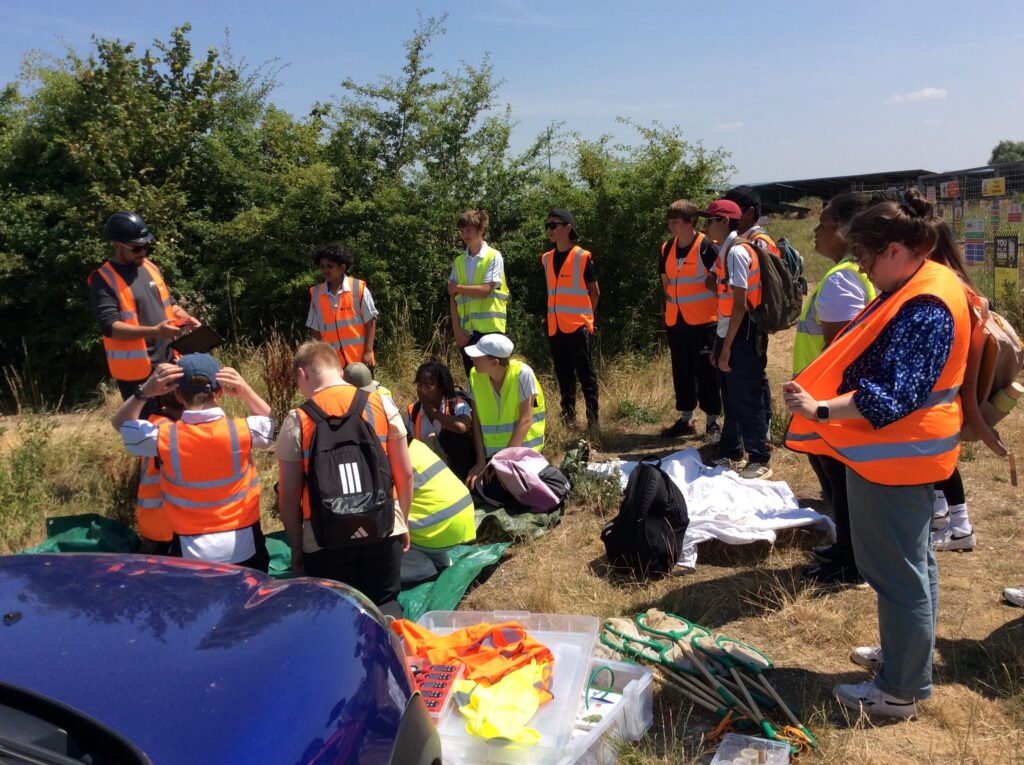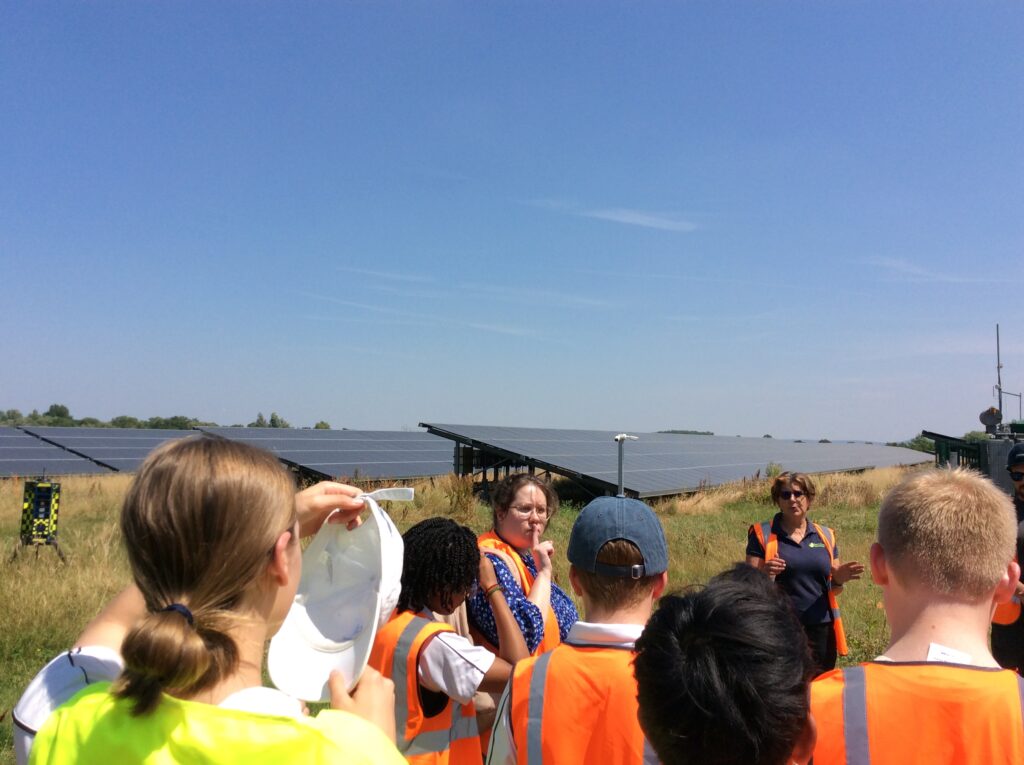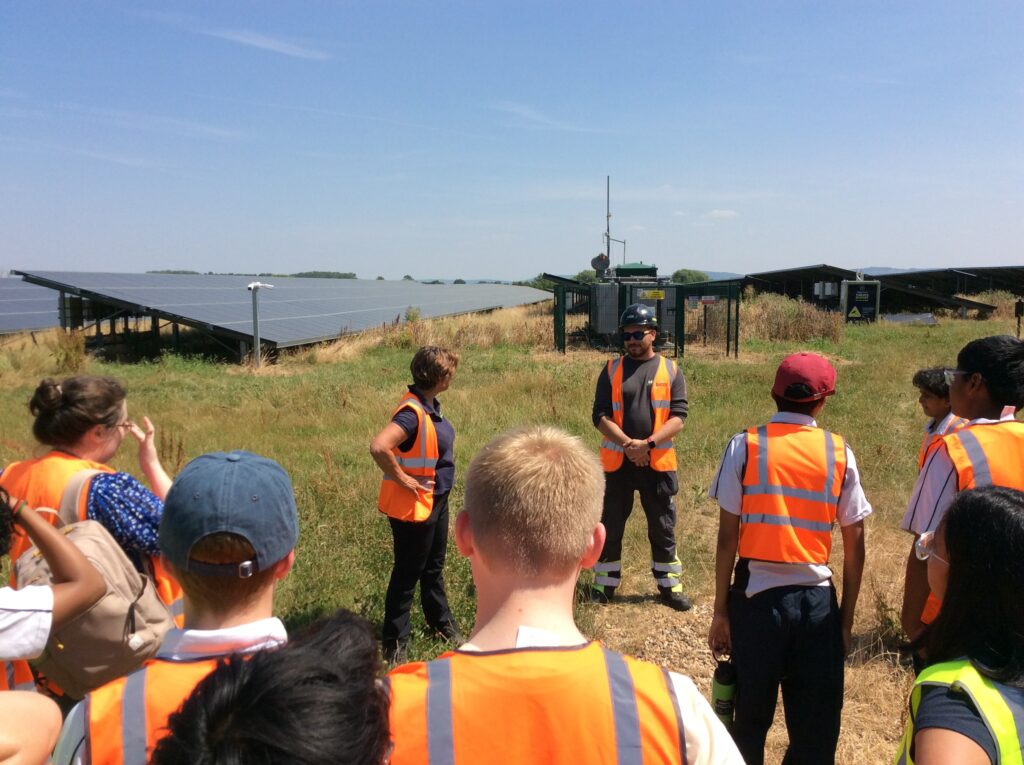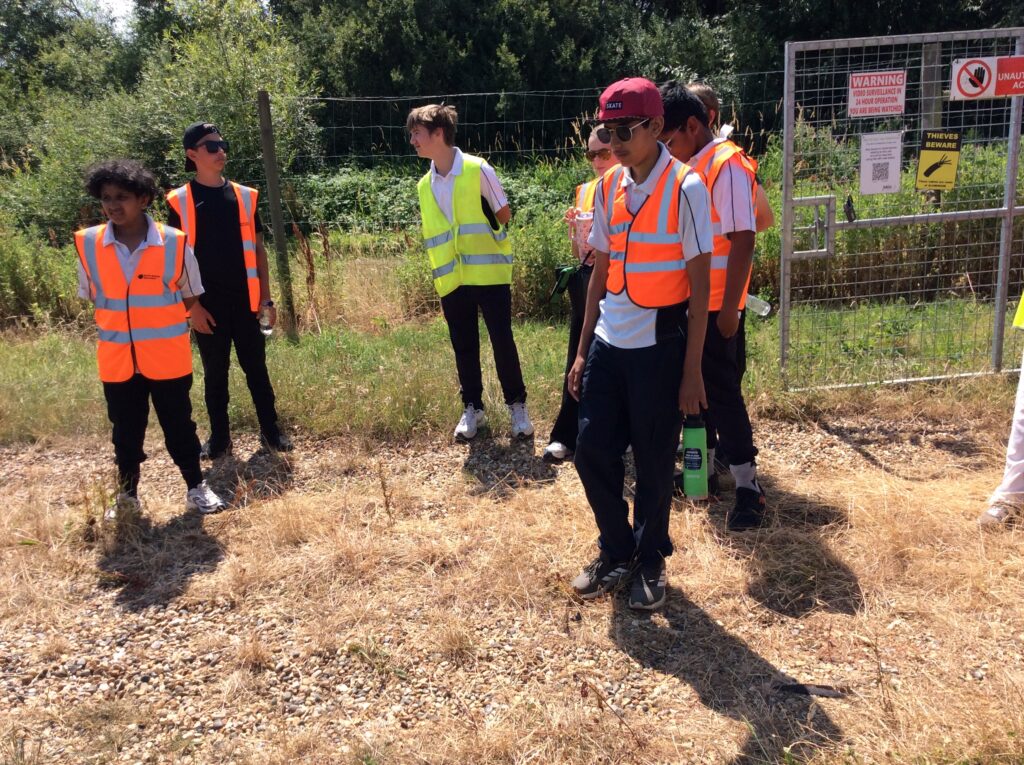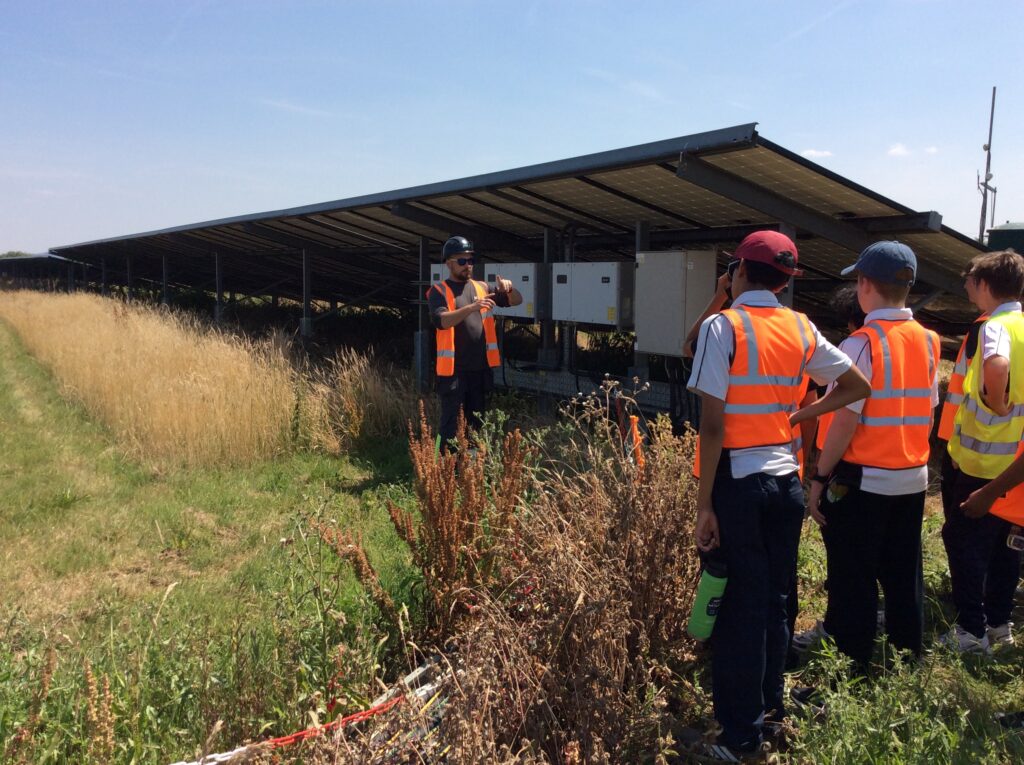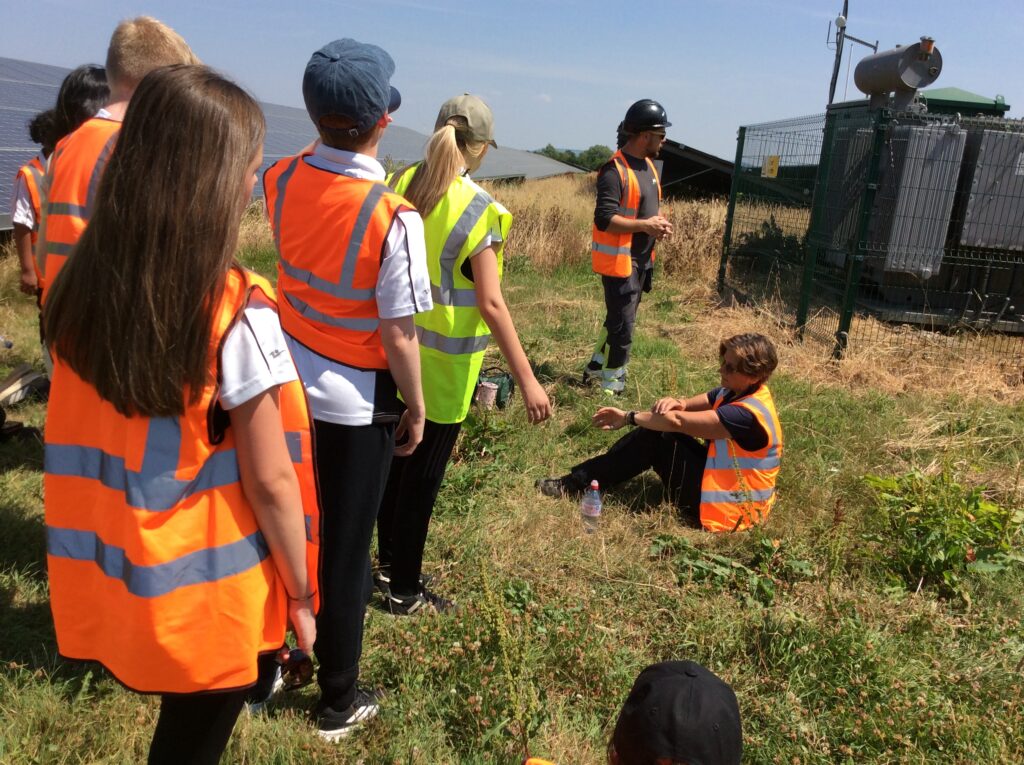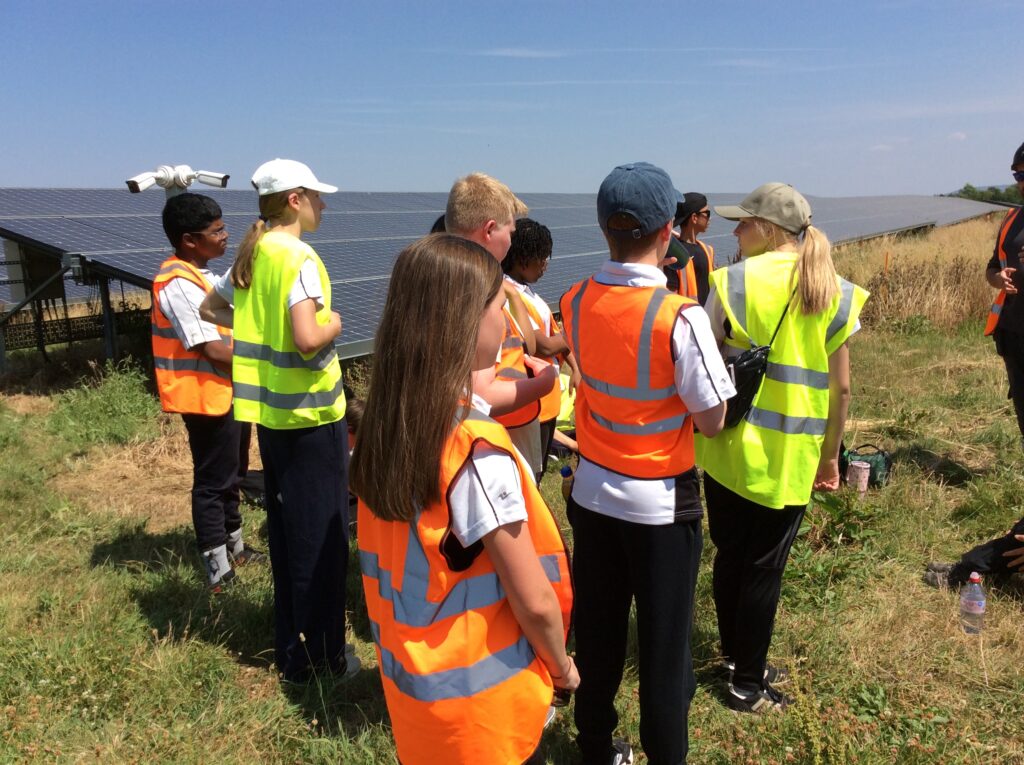
On Thursday 9 July, our students enjoyed a fascinating and hands‑on visit to Thame Solar Farm, a site that produces around 4MW of electricity using 17,500 solar panels. The visit gave Our Year 9’s a real insight into how renewable energy is generated and how solar farms contribute to the wider environment.
Renewable Energy in Action
During the tour, students learned how solar farms convert sunlight into electricity and how this power is transferred to the national grid. They were able to see a transformer up close, speak with a specialist electrical engineer, and ask questions about DC to AC conversion, grid supply, and how equipment responds to extreme weather conditions.
Supporting Local Biodiversity
The visit also highlighted how solar farms do more than produce clean energy. Students discovered how the land around the panels supports biodiversity by offering shade for small animals, allowing areas of farmland to remain fallow, and helping natural wildlife re‑establish itself.
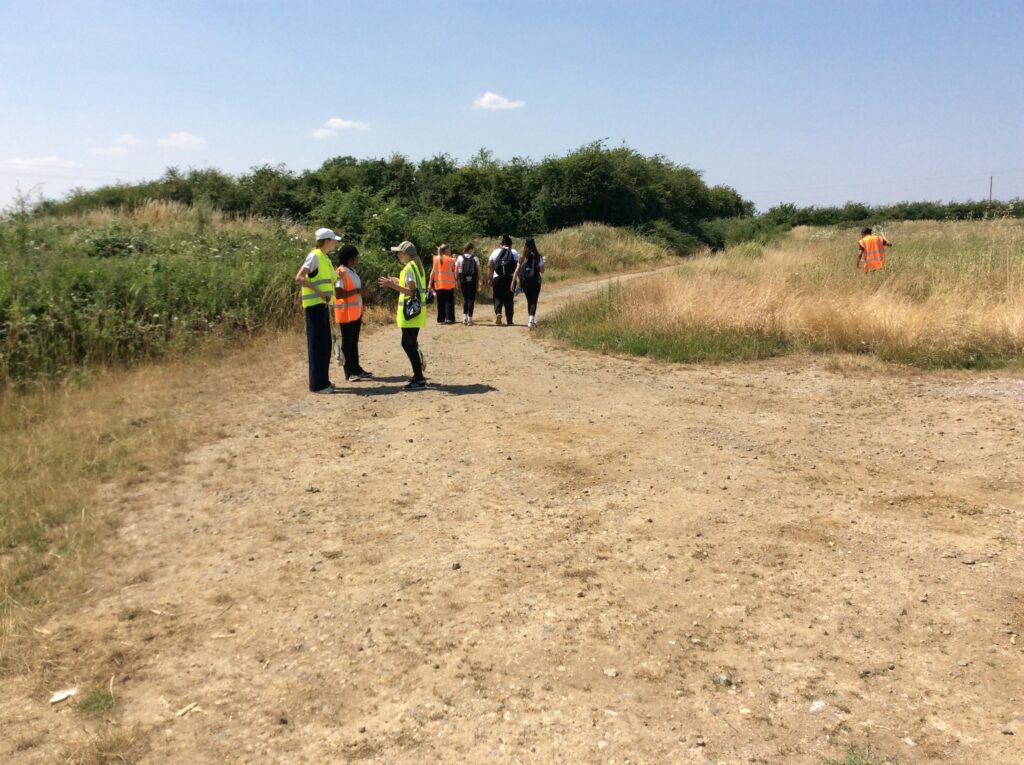
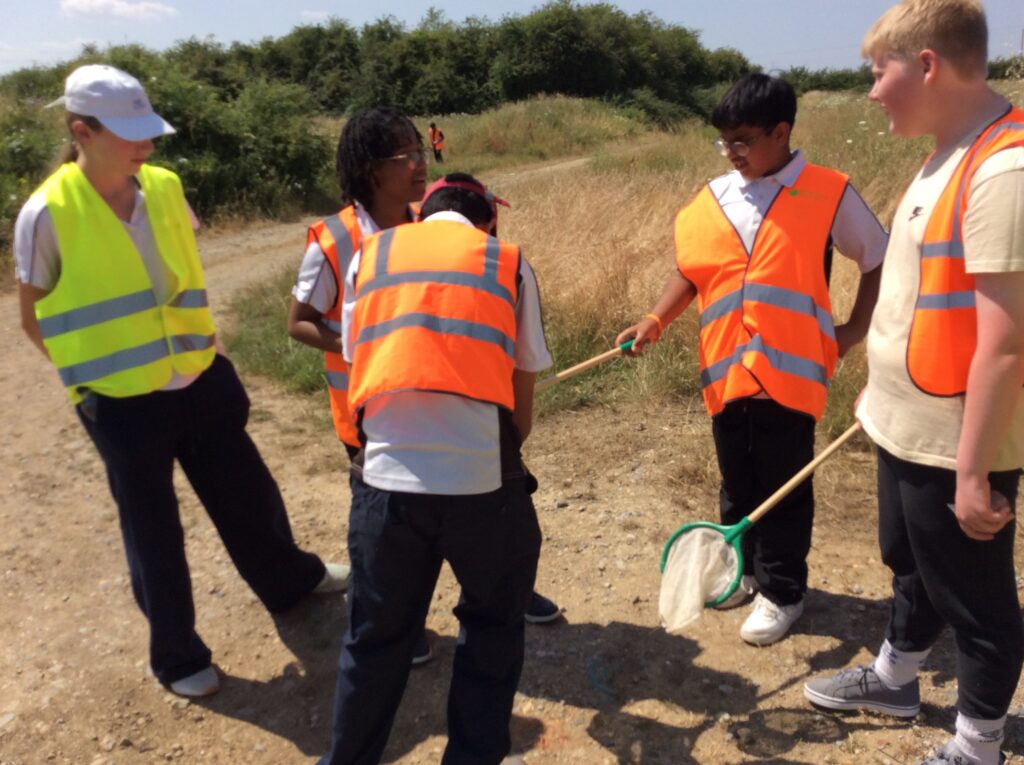
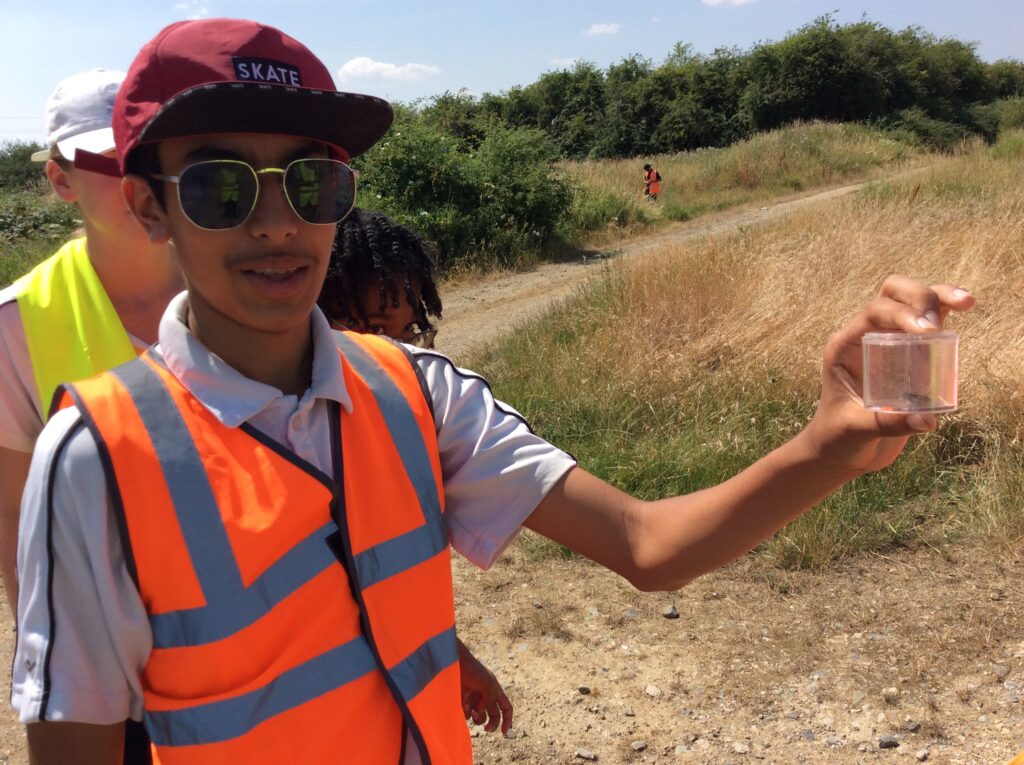
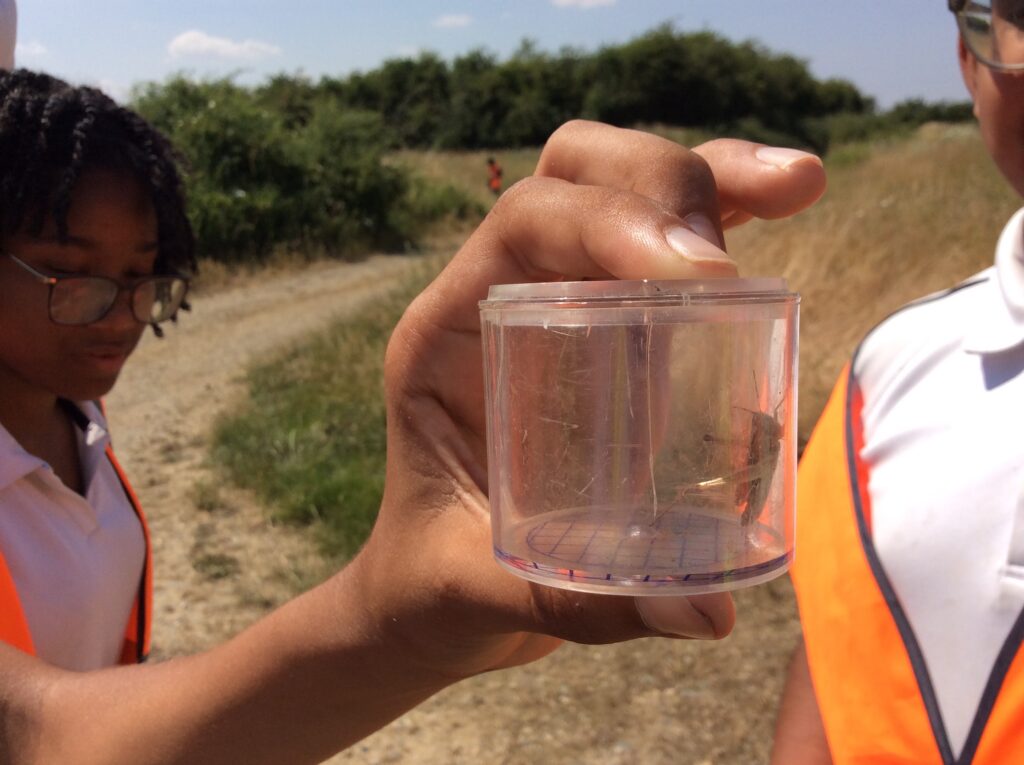
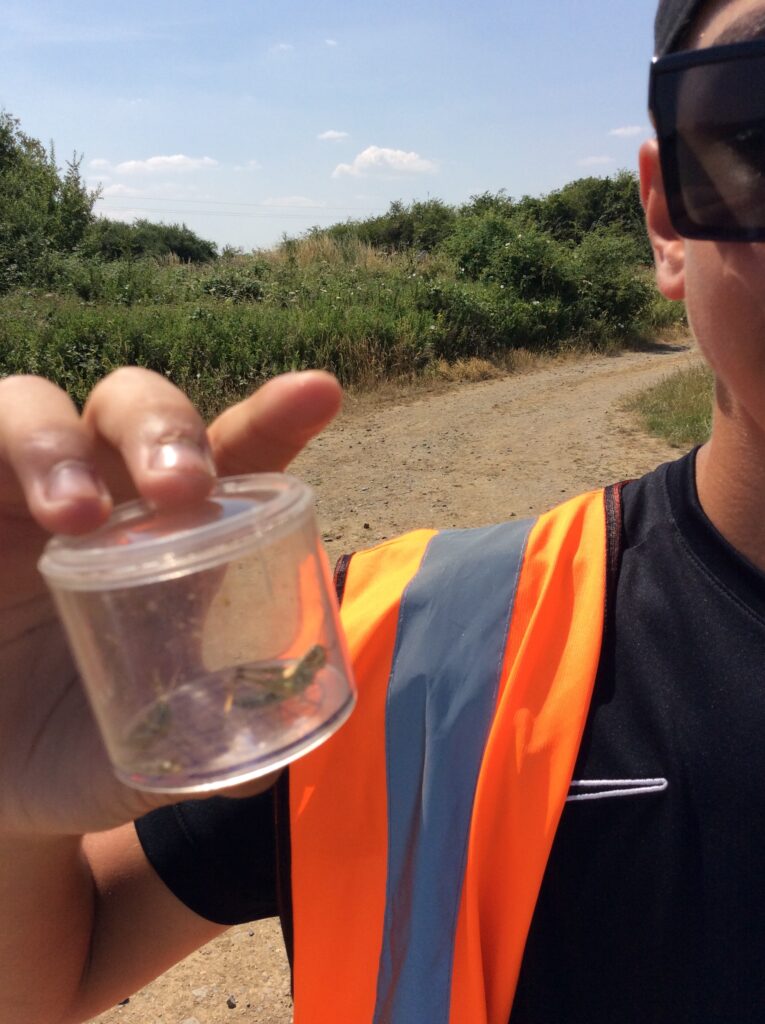
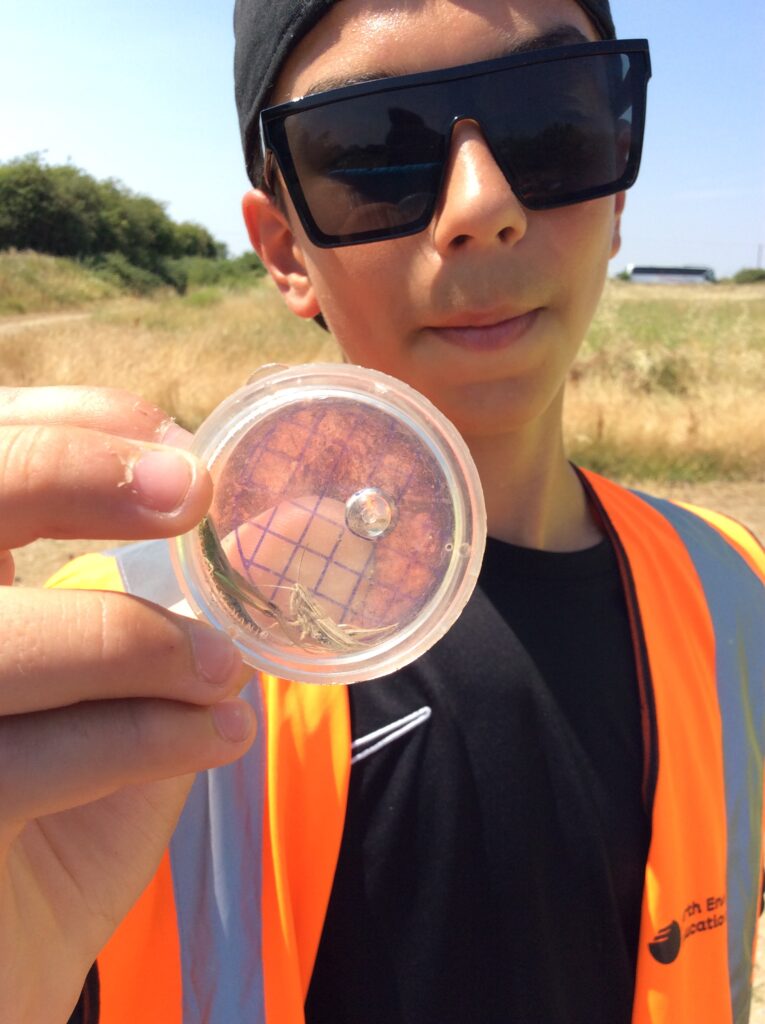
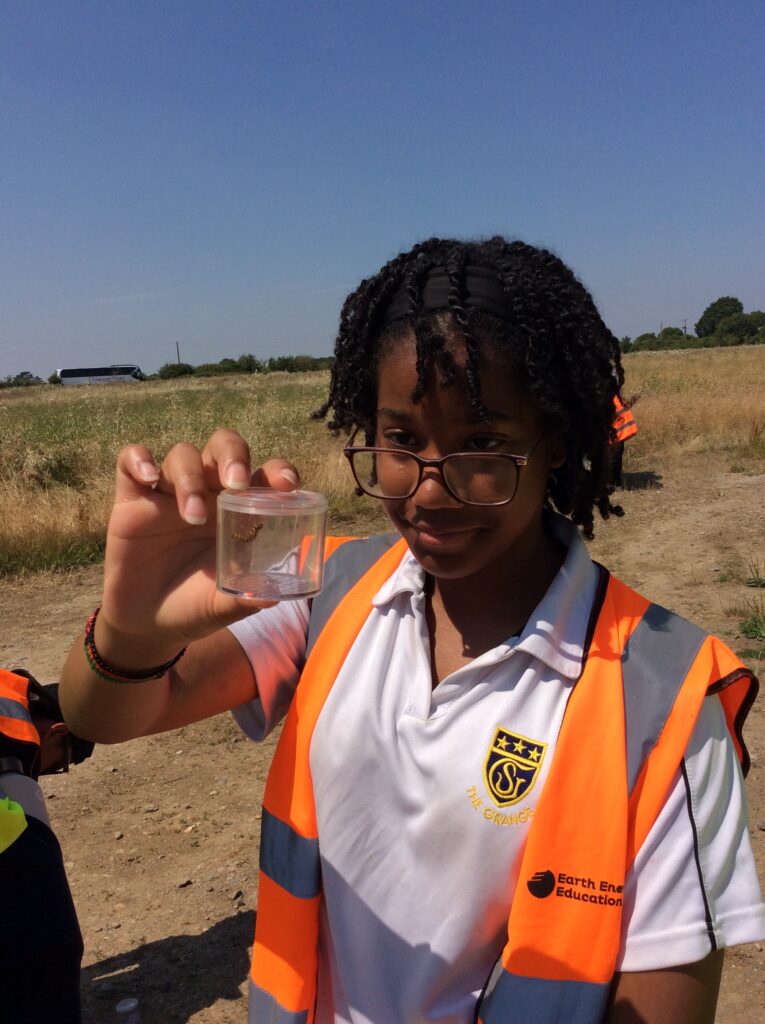
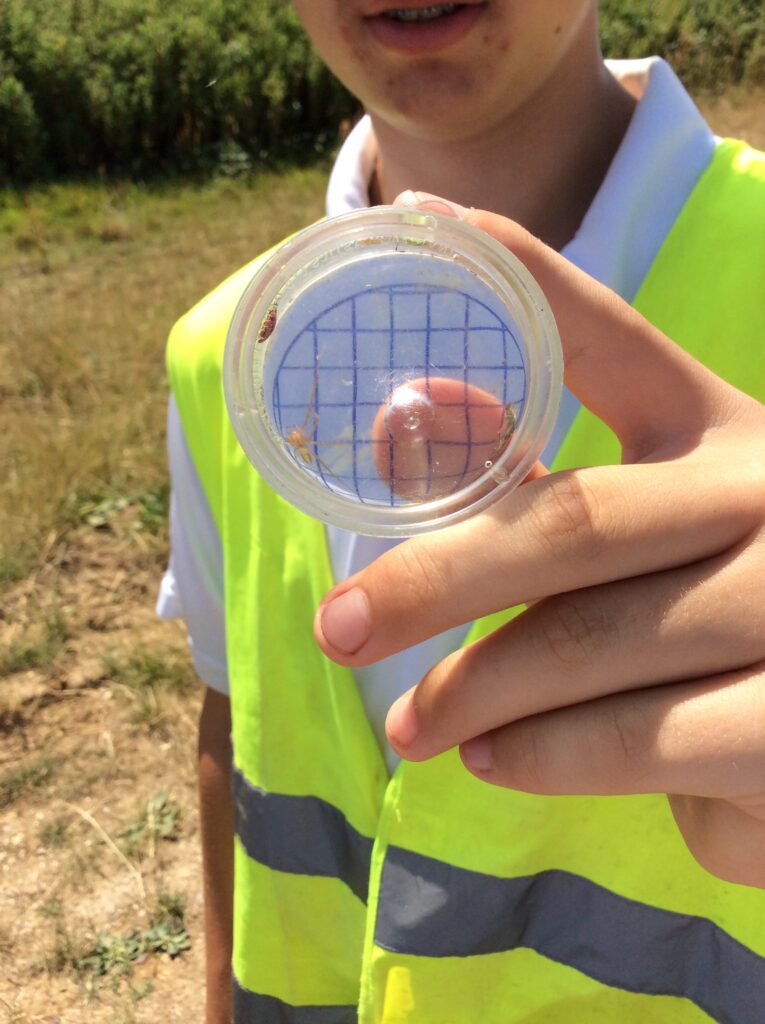
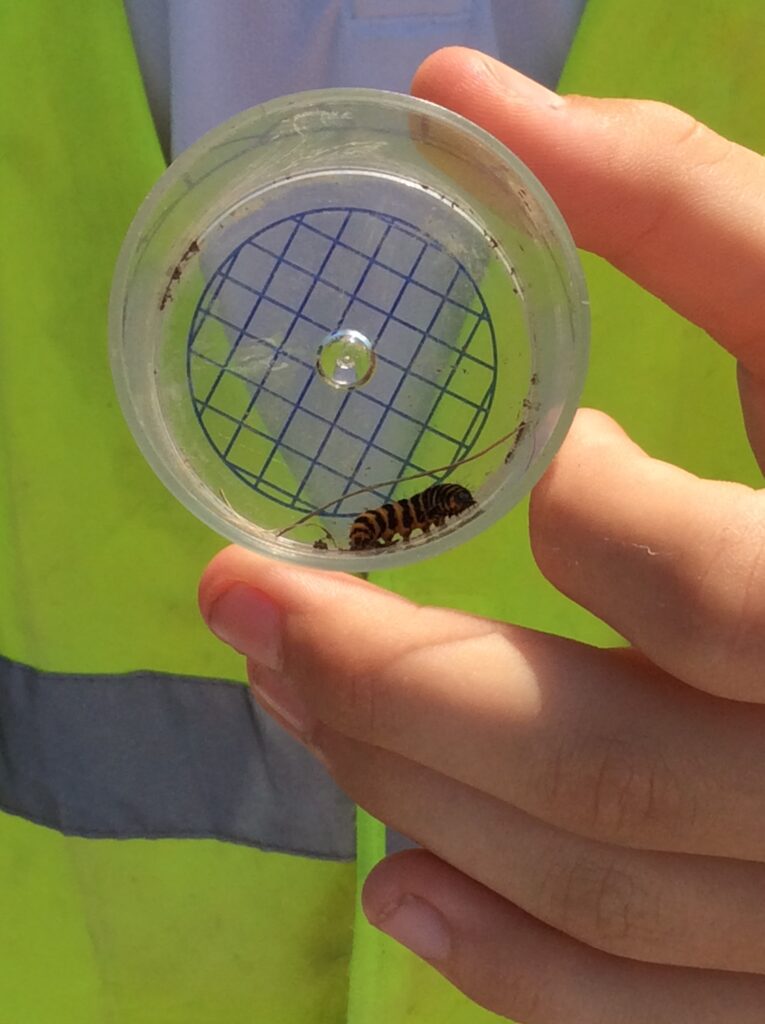
They explored the local area, collecting and observing native species such as grasshoppers, caterpillars, and butterflies, gaining a deeper understanding of how renewable energy sites can work in harmony with nature.
Student Reflections
Here are some of the students’ own comments about what they learned and enjoyed:
- Oscar: “We went to a solar farm and learned about the amount of solar panels which was 17,500.”
- Tabitha: “I learnt that there are over 17,000 solar panels in Thame Solar Farm.”
- Abi: “I caught a butterfly then it flew out. I caught a grasshopper and saw it up close before it jumped out and scared me.”
- Smit: “I enjoyed getting insects from the wild and seeing the solar panels in person.”
- Jay: “I enjoyed learning about the solar panels. I liked learning about electricity.”
- Avi: “I enjoyed seeing the size of solar panels. I enjoyed catching insects.”
- Conor: “I learnt how to convert DC to AC and how much energy solar farms produce for the grid.”
- Henry: “I learnt transformers can stop working in the extreme heat. I’d like if the trip was longer.”
- Mia: “I enjoyed getting to see and catch the insects and getting to learn about the solar panels.”
The visit was a valuable learning experience which offered a rich blend of science, engineering, and ecology, giving students the chance to see renewable energy in action while exploring the natural world around it. Their excitement from investigating insects to asking technical questions made the visit both memorable and meaningful.